
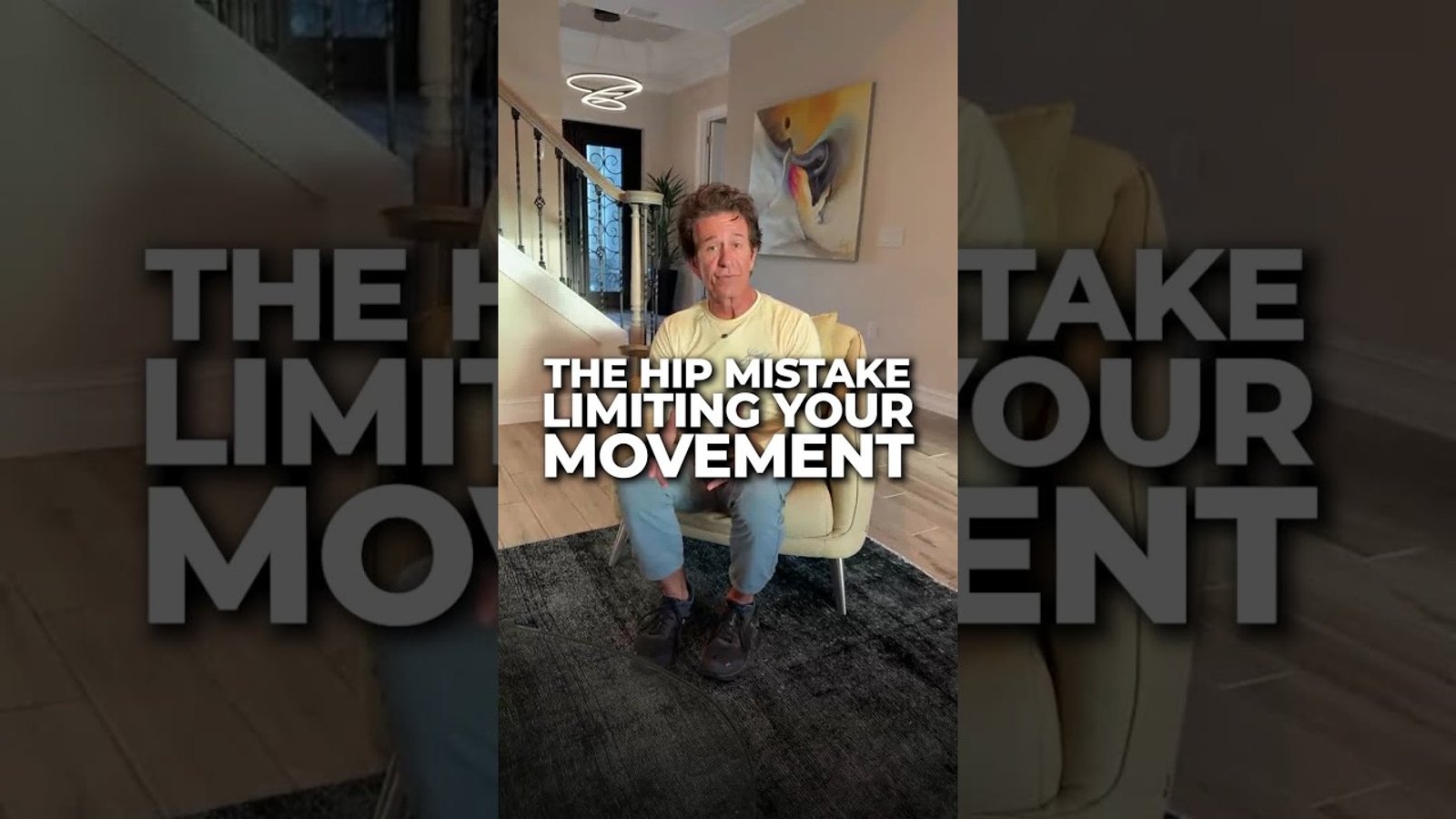
Stretching exercises for seniors work best as a short daily routine that keeps your hips, shoulders, calves, and feet moving freely. This guide gives you six simple moves, how long to hold each stretch, and when stiffness calls for hands-on manual therapy.
How do stretching exercises help seniors stay flexible?
They keep your muscles long and your joints moving through their full range, so everyday movement stays easier. The National Institute on Aging says moving more freely makes tasks like tying your shoes easier. Start with a few minutes a day and build from there.
I'm Dr. Ivan Bracic, DC, founder of Novaré Injury Care and Rehab in Fort Myers. I've cared for more than 30,000 patients across Illinois and Florida. My goal is to keep your body flexible and mobile, and to keep improving your mobility and the quality of your day.
The six moves below come from my short videos, and each one has a seated or supported option. Start where you are and add a little each week.
What stretching exercises for seniors do for stiff joints and muscles
Stretching works against the slow tightening that comes with age. Per the American Academy of Orthopaedic Surgeons (AAOS), ligaments become less elastic and tendons get stiffer as we get older. Check which joints feel tight first thing in the morning, and start there.
The loss is gradual. In the Journal of Aging Research, a 2013 study measured 436 adults aged 55 to 86. Hip flexibility was about 6 to 7 degrees lower with each decade of age, and shoulder range about 5 to 6.
Tight muscles also change how you walk. Harvard Health notes that sitting all day tightens the hamstrings, which makes it harder to straighten your knee. Healthy muscles also help people with balance problems avoid falls.
Is losing mobility just part of getting older?
Not entirely. The AAOS says many changes in our muscles and joints come more from disuse than from simple aging. Use stiffness as a reason to move more, rather than something you have to live with.
AAOS also reports that less than 10 percent of Americans exercise regularly, and the most sedentary group is older than 50. The habit is the part you control.
In one of my videos, my own hips barely rotate inward, yet swinging them outward into a wide frog position comes easily. That's why I recommend working the hip rotators too, even when other moves feel better.
6 stretching exercises for seniors to do every day
Here's the short routine I recommend. Do it after a five to 10 minute walk, when your muscles are warm.
- Hip rotations. Sit on the floor or a firm bed, knees bent and feet wide. Slowly lower both knees to one side, then the other. In a chair, rock one knee in and out.
- Frog stretch. Lie on your back with your knees bent and let them fall wide, feet in line with your knees. Slowly turn your hips back and hold 20 to 30 seconds.
- Shoulder-blade squeeze. Stand or sit tall. Gently draw your shoulder blades back and together, hold for a few breaths, and relax.
- Supine twist. Lie on your back with knees bent. Let both knees fall gently to one side, breathe, then switch sides.
- Calf and plantar fascia stretch. Lean on a wall with one leg back, knee straight and heel down. Then sit, cross that foot over your knee, and pull your toes back.
- Calf raises. Hold a counter, rise slowly onto your toes, and lower back down. When that feels easy, try one foot at a time.
Hip mobility exercises for rotation and the frog stretch
Your hips rotate inward and outward every time you turn, pivot, or swing a leg into the car. Work both directions slowly, and stay in a range that feels like a stretch rather than a pinch.
The frog stretch opens the inner thighs and hips. Lying on your back, let your knees fall wide with your feet in line with them, then slowly turn your hips back and hold for 20 to 30 seconds.
If the stretch pinches your hips or knees, ease off the range or spend that time on seated hip rotations instead.
Shoulder stretches for rounded shoulders and posture
When the muscles between your shoulder blades stop doing their share, your shoulders drift forward. Try the knuckle test: stand at a mirror with relaxed arms, close your eyes, then open them and check your hands.
If you see more than one or two knuckles, your shoulders are likely rolling forward. Gently draw your shoulder blades back and together, and watch how many knuckles disappear. Those muscles, including the rhomboids, work as a team to steady your shoulders and mid-back.
A shoulder that stays stiff or sore when you reach overhead needs an exam.
A supine twist stretch before bed for a tight lower back
A gentle supine twist can loosen your lower back and hips at the end of the day. Lie on your back with knees bent and let them fall to one side while your shoulders stay down. Breathe slowly, don't force it, then switch sides.
For more back moves, see my guide to decompressing your spine at home. If back pain lasts, wakes you at night, or spreads down a leg, our low back pain treatment starts with an exam.
Plantar fasciitis stretches for morning heel pain
If your first steps out of bed hurt your heel, stretch the calf and the bottom of the foot. The AAOS says stretching the calves and plantar fascia is the most effective way to ease this pain. Do the foot stretch in the morning, before you stand.
For the calf, lean into a wall with the back knee straight and heel down. For the fascia, sit, cross the foot over your knee, and pull your toes back. AAOS suggests 10-second holds, repeated 20 times on each foot.
If heel pain lasts despite steady stretching, we offer shockwave therapy for plantar fasciitis after an exam.
Calf raises to build strength after you stretch
Once your calves feel looser, strengthen them. Hold a counter, rise onto your toes, and lower slowly. When that feels easy, try one foot at a time.
Stretching and strength go together. The National Institute on Aging says older adults need aerobic, muscle-strengthening, and balance exercise. It adds that moving more freely makes exercise easier.
How long should seniors hold a stretch?
About 30 seconds for most stretches. Per Harvard Health, hold a stretch for 30 seconds and don't bounce, which can cause injury. Build up slowly: ease into mild tension, breathe, and hold steady.
Harvard also suggests stretching daily, or at least three or four times a week, after five to 10 minutes of light activity. Flexibility builds over weeks to months, so judge your progress by the month.
Stretching safety tips for older adults
These are the rules I give anyone starting a stretching routine:
-
Warm up first with a short walk, because cold muscles strain more easily.
-
Stretch to mild tension, never to pain, as the National Institute on Aging advises.
-
Breathe slowly and keep breathing through every hold.
-
Move slowly and skip bouncing.
-
Keep a sturdy chair, counter, or wall within reach for balance.
-
Use a seated or lying version of any move that makes you feel unsteady.
When stiff hips and shoulders need hands-on manual therapy
Get hands-on help when a joint stays stiff after a few weeks of steady stretching, or one side keeps catching or hurting. Per the AAOS, stretching is an excellent way to help maintain joint flexibility, yet a joint that won't loosen needs a diagnosis. Choose an exam over pushing harder into the stretch.
At our clinic, manual therapy is hands-on care chosen after that exam. It can include joint mobilization, myofascial release, and soft tissue work for restricted joints and tight muscles.
It often runs alongside a broader therapy treatment plan and the exercises you do at home. Our first visit includes a hands-on exam and digital X-rays on site, so the plan fits what is actually there.
What patients say about mobility care at our clinic
I was apprehensive about changing my chiropractor but so happy I did. Dr. Ivan Bracic has the newest types of equipment to treat a variety of modalities. He is very knowlegable and thorough with a super kind attitude. He performed manual adjustments that made me feel like a new person. In addition, I received soft tissue work (massage) for my tight areas. I highly recommend Dr Bracic
Laura D., Fort Myers, Google review
Individual results vary.
Stiffness and mobility warning signs that need a doctor
Most stiffness eases with gentle movement, but get medical care right away if you notice any of these:
-
A joint that is suddenly hot, red, and swollen, especially with a fever.
-
Pain after a fall, or a joint that looks out of place.
-
Calf pain with swelling, warmth, or redness in one leg.
-
Numbness or weakness in an arm or leg that is getting worse.
-
Heel or foot pain that keeps you from putting weight on the foot.
-
Chest pain, dizziness, or shortness of breath while you exercise.
Get hands-on help for your mobility in Fort Myers
If stiff hips, shoulders, or feet are limiting your day, I'd like to examine you and show you what I find. We see patients in Fort Myers and Lehigh Acres, in English and Spanish.
See manual therapy for stiff joints and tight muscles
The questions I hear most about stretching after 60, answered plainly.
Dr. Ivan Bracic, DC, founded Novaré Injury Care and Rehab in Fort Myers and Lehigh Acres, Florida, and is its clinical director. He has cared for more than 30,000 patients across Illinois and Florida since 1994 and shares short stretching videos on YouTube.
- Six steps to keep joints moving: how to slow down arthritis.
- Simple moves for a stiff back: how to decompress your spine at home.
- Gentle moves for nerve pain: sciatica exercises.
Frequently Asked Questions
Is 20 minutes of stretching a day enough?
For most older adults, yes, and less can still help. Harvard Health says to hold each stretch about 30 seconds, ideally every day. Spend your minutes on the calves, hamstrings, hips, and shoulders.
How many times a week should seniors stretch?
Daily is ideal. Harvard Health recommends daily stretches, or at least three or four times a week. Pair your routine with something you already do, like your morning coffee or getting ready for bed.
What is the difference between mobility and stretching?
Stretching lengthens a muscle, while mobility is how well a joint moves through its range under your control. The National Institute on Aging defines flexibility as a joint's ability to move through its full range of motion. Use both: stretch the calves and rotate the hips.
Can I do stretching exercises for seniors in a chair?
Yes. Most moves here have a seated version, and the National Institute on Aging suggests keeping a sturdy chair nearby. Choose seated hip rotations, the shoulder-blade squeeze, and the seated plantar fascia stretch on unsteady days.
Is it safe to stretch if I have arthritis?
For most people, yes, if you move gently and stay below pain. The National Institute on Aging advises against stretching so far that it hurts. Read my guide on <a href="/novare-how-to-slow-down-arthritis/">how to slow down arthritis</a> for more ways to keep arthritic joints moving.
Which exercises will help keep me flexible and mobile as I age?
A mix of stretching, strength, and balance work. The National Institute on Aging names aerobic, muscle-strengthening, and balance exercise as the three types older adults need. Start with the six moves above and add a daily walk.
Is it safe to see a chiropractor for stiffness if I'm nervous about going?
Usually, yes, as long as care begins with a full exam. A Fort Myers patient wrote in a review that they were nervous about going to a chiropractor at first. Read about <a href="/novare-first-chiropractic-appointment/">your first chiropractic appointment</a>, and ask what each step is for.
How long until stretching makes a difference?
It varies, and I won't promise a timeline. Harvard Health says it takes weeks to months to get flexible, and you have to keep at it to stay that way. Track one thing, like reaching your shoes, and check it monthly.
This article is educational and is not medical advice. Stretching is not right for every condition, and some joint, back, or foot symptoms need prompt medical attention. If you have pain, stiffness, or swelling that is not improving, or you are unsure whether an exercise is safe for you, get evaluated by a qualified provider first.