
Chiropractor vs Orthopedic Doctor
in Fort Myers and Lehigh Acres
Back pain, joint injuries, herniated discs, and pinched nerves all send people searching for the right doctor. A chiropractor and an orthopedic doctor both treat musculoskeletal problems in Fort Myers, but their training, methods, and goals are different. Knowing when each one makes sense can save you time, money, and unnecessary procedures.

Should I See a Chiropractor or an Orthopedic Doctor?
It depends on what's wrong and how severe it is. If your pain is from spinal misalignment, a compressed nerve, or a soft tissue injury, a chiropractor can often resolve it without drugs or surgery. If you have a fracture, a torn ligament that needs surgical repair, or a condition requiring prescription medication, an orthopedic doctor is the right call.
Many people don't know which category their problem falls into. A good first step is seeing a provider who uses diagnostic imaging to identify the structural cause before deciding on treatment. The imaging determines the path.
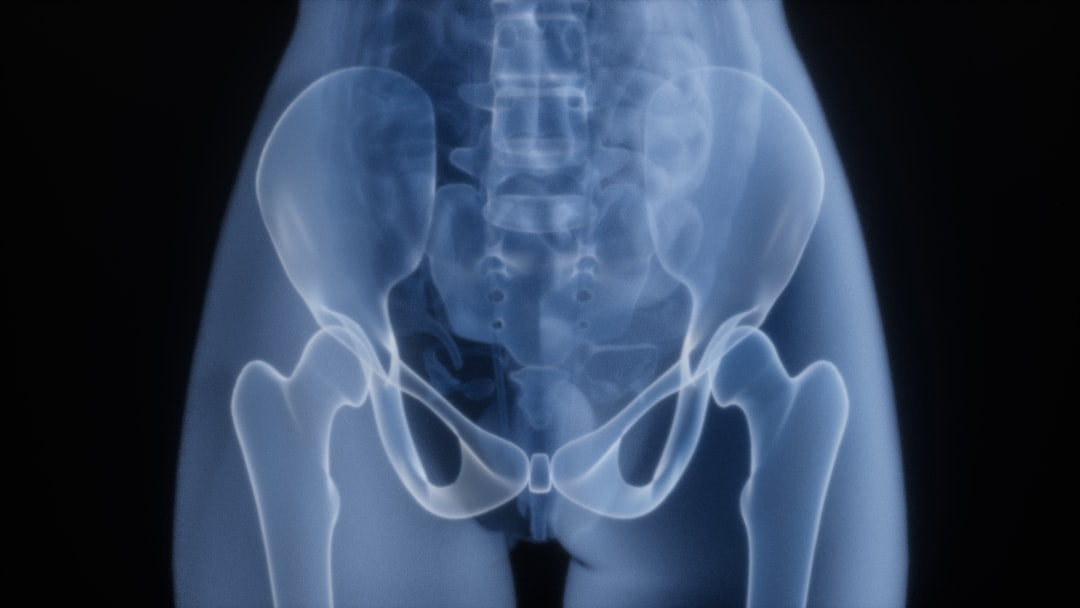
How Does Each One Treat Pain?
Chiropractic: Hands-on spinal adjustments, spinal decompression, soft tissue work, and rehabilitative exercises. Conservative, drug-free, non-surgical.
Orthopedic: Medication, injections, physical therapy referrals, bracing, and surgery when conservative options fail. Surgeons first.
Chiropractor (DC)
4-year doctoral degree focused on spine, nervous system, and joint biomechanics. Licensed to diagnose and treat neuromusculoskeletal conditions. Can't prescribe medication or perform surgery.
Orthopedic Doctor (MD/DO)
Medical school plus 5-year surgical residency. Can prescribe medication, order advanced imaging, perform surgery, and manage complex orthopedic conditions. Surgeons first.
The Key Distinction
Chiropractors treat with their hands. Orthopedic doctors treat with surgery and medication. Both understand the musculoskeletal system, but from different angles.
Novaré: Both Under One Roof
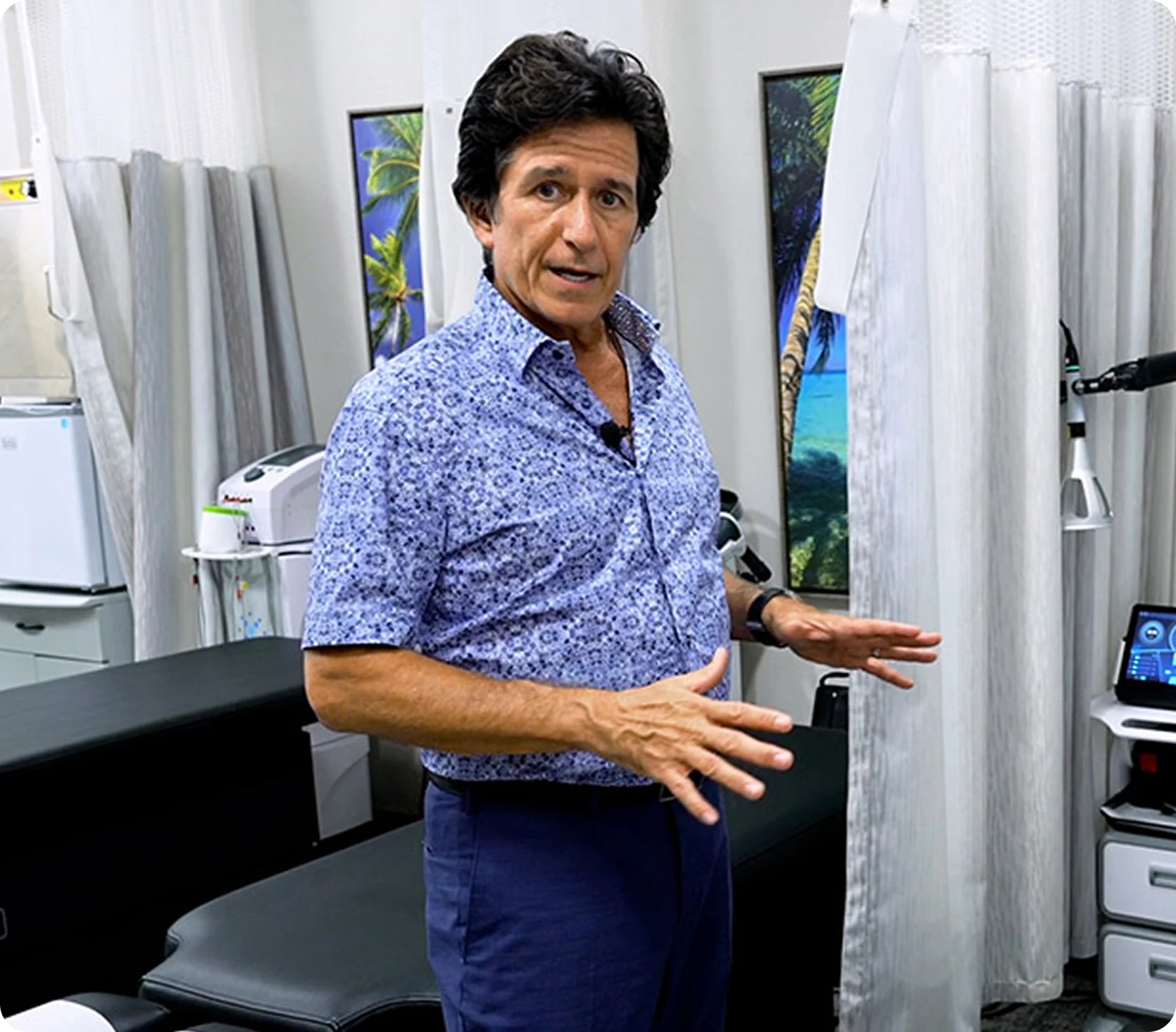
Dr. Ivan Bracic (DC, 30+ years) and Dr. Javier Sosa (MD, 38+ years) work together. Chiropractic care with medical oversight. No bouncing between offices.
Side-by-Side Comparison
How chiropractors and orthopedic doctors compare on the factors that matter most.
| Factor | Chiropractor (DC) | Orthopedic Doctor (MD/DO) |
|---|---|---|
| Primary method | Spinal adjustments, manual therapy | Surgery, medication, injections |
| Prescribes medication | No | Yes |
| Performs surgery | No | Yes |
| Uses imaging | X-ray, MRI referral | X-ray, MRI, CT, bone scan |
| Typical visit length | 15-30 minutes | 10-20 minutes |
| Treatment timeline | Weeks to months of visits | Consultation, then procedure or PT referral |
| Best for | Alignment, nerve compression, soft tissue | Fractures, torn ligaments, joint replacement |
When Should You See a Chiropractor First?
A chiropractor is a strong first choice when your pain involves the spine, nerves, or soft tissue. Many conditions patients assume require surgery respond well to chiropractic care.
- Back or neck pain from alignment or posture issues
- Radiating pain into arms or legs (nerve involvement)
- Car accident injuries: whiplash, stiffness, soreness
- You want conservative treatment before considering surgery
- Chronic pain without a fracture or torn ligament
- Told you need spinal surgery and want a second opinion

When Should You See an Orthopedic Doctor First?
Orthopedic doctors are essential when surgery is clearly the answer. But many patients end up in an orthopedic office for conditions that don't require surgery.
- Fracture or suspected broken bone
- Completely torn ligament needing surgical repair
- Joint replacement (hip, knee, shoulder)
- Conservative treatment has failed
- Prescription pain management for severe acute injury
- Bone tumors, infections, or complex deformities
What About Cost?
$200 | Your first visit at Novaré
- Full exam and evaluation by Dr. Bracic
- Digital x-rays taken on-site
- Report of findings with images on a flash drive
- Up to 2 therapy services to start treatment that day
- 60 to 90 minutes with the doctor
An orthopedic consultation runs $250-$500 before imaging. Surgery costs $10,000 to $50,000+. At Novaré, you get diagnosis and treatment in one visit for $200.
What Our Patients Say

Trusted by 30,000+ patients over 30 years.

“Dr. Ivan & his staff are hands down the best chiropractic services ever!!! His care, attention, knowledge, concern & wisdom for his patients can't be beat.”

“Dr. Ivan discovered that a butt muscle was in spasm and strangling my sciatic nerve. He put me on his Tesla coil machines for a couple sessions and my pain went away.”
“I have suffered with scoliosis and a multitude of bulging discs in my spine for years now... I have made more healing progress in the past five months than I did in the past few years thanks to them.”
Your Best Self Is Calling
Book a visit and Dr. Bracic will look for the cause with an exam and digital x-ray on your first appointment.
Chiropractor vs Orthopedic Questions Answered
Get clear answers about choosing between chiropractic and orthopedic care.
Two Convenient Locations Serving Southwest Florida
Same-day or next-day appointments after an accident at both locations.
Fort Myers clinic, 15880 Summerlin Rd Suite 114 · Lehigh Acres clinic, 25 Homestead Rd N Suite 5 · All locations and hours
Lee County Service Area
Nuestro personal habla inglés y español.
Most Popular Treatments
Chiropractic Care
Spinal adjustments, Cox Flexion Distraction, Pro Adjuster SRT.
Spinal Decompression
Non-surgical disc treatment using the DRX9000 and AccuSpina. MRI required.
Accident Care
Auto accident and sports injury treatment.
Laser Therapy
AI-guided Class IV lasers for tissue repair.
Diagnostic Imaging
Digital x-rays with MRI coordination.
Manual Therapy
Myofascial release, joint mobilization.