
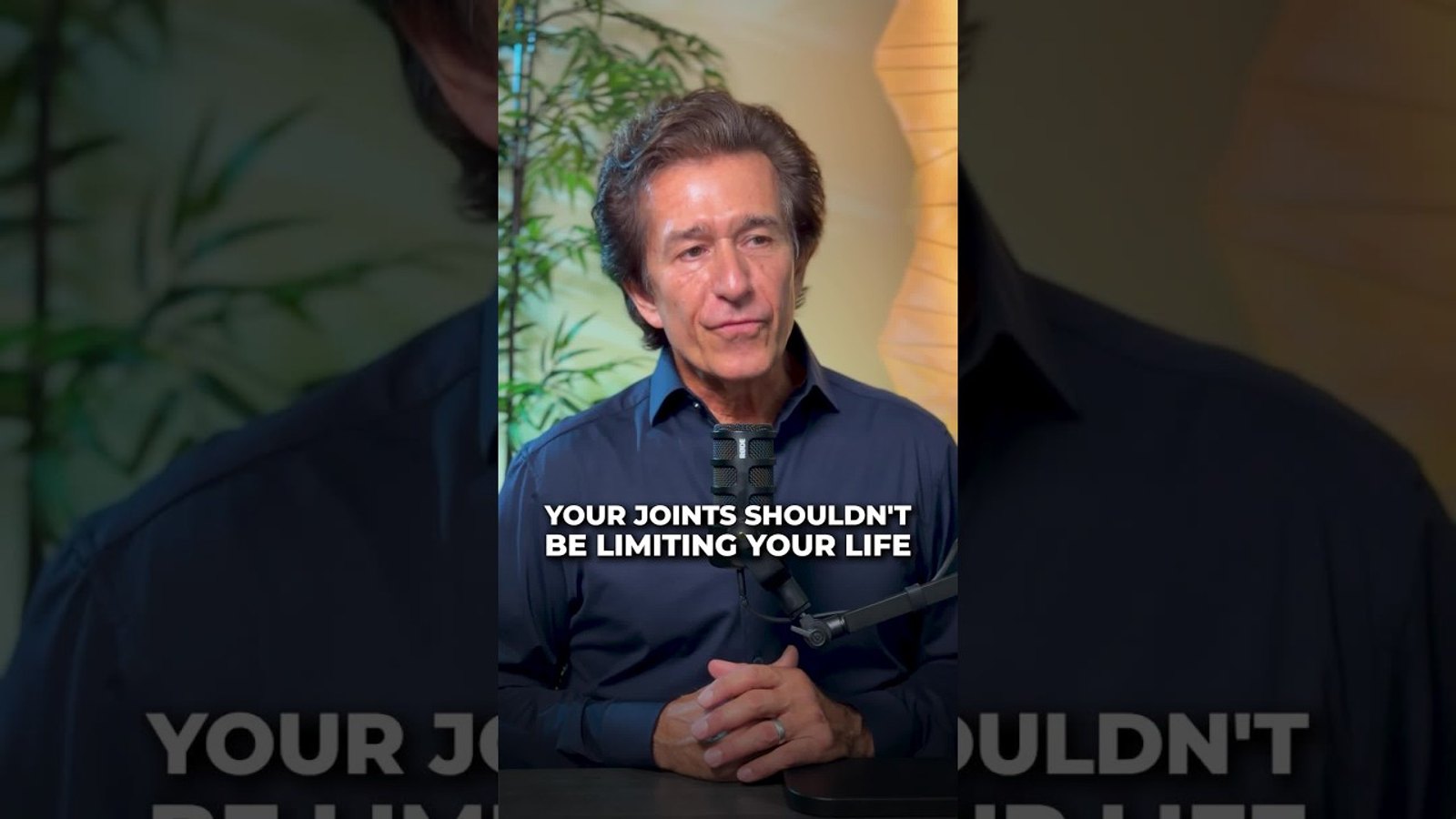
Here is how to slow down arthritis: move every day, build strength around each joint, and keep a healthy weight. This guide covers knee and spine osteoarthritis, low-impact exercise, and non-surgical knee decompression to try before surgery.
Can you slow down arthritis?
Yes. For most people, arthritis can be slowed, even though it can't be reversed. Harvard Health says there's no cure for osteoarthritis, but a lot you can do to slow its progression. Start with the habits you control: movement, strength, and weight.
I'm Dr. Ivan Bracic, DC, founder of Novaré Injury Care and Rehab in Fort Myers, and I've cared for more than 30,000 patients across Illinois and Florida. With arthritis, my goal is to keep your body flexible and mobile. That means improving your mobility and the quality of your everyday life.
You're far from alone. Per the CDC's 2023 arthritis report, 53.2 million US adults, or 21.2%, had diagnosed arthritis in 2019 to 2021. If you're reading this, your goals probably include avoiding a potential surgery and preventing a more serious issue down the road.
What arthritis does to your joints and spine
Osteoarthritis, the most common kind, wears down the cartilage that cushions the ends of your bones. The National Institute of Arthritis and Musculoskeletal and Skin Diseases (NIAMS) lists the knees, hips, hands, neck, and lower back as the joints it affects most. Check which of those feel stiff after sitting or sore after activity.
It becomes more common as we age, and NIAMS notes that women are more likely than men to have it, especially after age 50. Old joint injuries raise the risk too. In the spine, it often shows up as stiffness or increasing back and neck pain.
Many people start moving less once their joints hurt. That's where arthritis tends to gain ground, because idle muscles weaken and the joint takes more of the load.
Is chronic joint pain a normal part of aging?
No. Arthritis is common with age, but constant pain isn't something I ask anyone to accept. Per the CDC's 2023 report, 47.3% of adults 65 and older had diagnosed arthritis. Treat ongoing pain as a signal to get checked, never as a fact of life.
Chronic pain usually has more than one cause. Weak muscles, stiff joints, posture, and old injuries all play a part, so I look at the whole person instead of one sore knee.
At our clinic, that starts with an exam and digital X-ray and MRI review before any plan.
6 ways to slow down arthritis and keep moving
These are the six steps I recommend, backed by the sources in this article.
- Move most days. The Arthritis Foundation says 30 minutes of moderate exercise five times a week helps joints stay limber. Walking counts.
- Build strength around the joint. Stronger thigh, hip, and core muscles take load off arthritic knees, hips, and the spine.
- Keep a healthy weight. Each extra pound adds nearly four pounds of stress on your knees, per the Arthritis Foundation.
- Protect your joints. Use your largest, strongest joints to lift and carry, and take breaks during long tasks.
- Manage blood sugar, sleep, and stress. High blood sugar can make cartilage stiffer, per the Arthritis Foundation. Poor sleep and stress make pain harder to handle.
- Get checked early. An exam with imaging shows which joints are changing, so your plan fits what is actually there.
How to slow down arthritis in your knees
Take load off the knee and keep the muscles around it strong. The Arthritis Foundation notes that fat tissue releases inflammatory proteins called cytokines, so losing even a few pounds can ease joint stress. Pick one change, like a daily walk, and stick with it.
Cushioned, supportive shoes help on hard floors and sidewalks. Harvard Health notes that a cane or brace may be needed to protect a joint, so use one on bad days instead of pushing through.
Get your knee examined if it swells often, locks, or gives way. Those signs can point to more than wear, such as a meniscus tear, and they change the plan.
Strength training for arthritic knees without heavy weights
Strong muscles absorb force that would otherwise land on the joint. Harvard Health advises starting with four to six repetitions and strength training no more than two days a week. If joint pain lasts more than an hour after exercise, you probably overdid it, so scale back next time.
I recommend bodyweight squats as a starting point for knee arthritis. Sit back toward a chair, stand up slowly, and keep your knees in line with your toes. Hold a counter for balance if you need it.
Skip the heavy barbell and add slow reps over time instead.
Low-impact exercise that is easier on arthritic joints
Harvard Health recommends low-impact cardio for osteoarthritis because it keeps joints moving without pounding them, and these are the options I suggest most:
-
Walking on flat ground, adding a few minutes each week.
-
Cycling on a stationary bike or outdoors.
-
Swimming or water exercise, where buoyancy takes weight off your joints.
-
Rowing or an elliptical machine.
-
Tai chi or gentle yoga for balance and range of motion.
How to slow down arthritis in the spine
You slow spinal arthritis the same way as knee arthritis: keep moving and keep the muscles around the spine strong. NIAMS lists the neck and lower back among the most commonly affected areas. Build gentle movement into every day, even on stiff mornings.
Back pain makes many people stop exercising, and the spine stiffens further. My guide to decompressing your spine at home has simple moves to start with.
When home care isn't enough, we use spinal decompression after reviewing your MRI, and EMSCULPT NEO functional wellness to rebuild weak core muscles.
Non-surgical options for chronic joint pain
There are options between a pill and an operation. Many people are offered only medication, injections, or surgery, when other care deserves a look first.
At our clinic, these include knee decompression with the Knee-On-Trac system, Class IV laser therapy, and strength rehab. None of them reverses arthritis, and results vary from person to person.
Knee decompression isn't a fit for severe bone-on-bone arthritis.
When a knee replacement makes sense and what to try first
A knee replacement makes sense when severe damage limits daily life and other care has stopped helping. According to the American Academy of Orthopaedic Surgeons, it's worth considering once nonsurgical treatments like medications and walking supports no longer help. Ask what you've already tried and what else is worth trying.
Surgery can be the right call. When imaging shows it is, I'll tell you plainly and point you to the surgical specialists we work with.
If your knee arthritis is mild to moderate, it's reasonable to ask about a trial of non-surgical care first. My page on knee decompression vs knee surgery lays out the tradeoffs.
What an arthritis evaluation at our clinic includes
Our first visit typically runs 1 to 1.5 hours, and most of that time is with me. Expect four parts.
- Your history and goals. What hurts, what you've tried, and what you want to get back to doing.
- A hands-on exam. I check strength, range of motion, and how you walk, sit, and stand.
- Imaging. Digital X-rays on site, and an MRI review when your exam calls for one.
- A clear plan. You leave with a report of the findings, your X-ray images on a flash drive, and next steps.
What patients say about joint care at our clinic
Dr Ivan and his team have helped me with my pain and after just a few visits I am definitely on the mend. He is very knowledgeable about the human body, the joints, muscles, and tendons. Each member of the team is very friendly yet professional. They care about your whole health and give good advice on exercises and eating habits that will help keep my body flexible and mobile.
Flora Z., Lehigh Acres, Google review
Individual results vary.
Joint pain signs that need prompt medical care
Most arthritis flares aren't emergencies, but get medical care right away if you notice any of these:
-
A joint that is suddenly hot, red, and swollen, especially with a fever.
-
Severe pain or a joint that looks out of place after a fall or injury.
-
Sudden trouble putting any weight on a leg.
-
Numbness or weakness in an arm or leg that is getting worse.
-
Loss of bladder or bowel control along with back pain.
Get a plan to slow your arthritis in Fort Myers
If arthritis in your knees, hips, or spine is slowing you down, I'd like to examine you and show you what your imaging says. We see patients in Fort Myers and Lehigh Acres, in English and Spanish.
See knee decompression and non-surgical joint care
The questions I hear most about slowing arthritis, answered plainly.
Dr. Ivan Bracic, DC, is the founder and clinical director of Novaré Injury Care and Rehab in Fort Myers and Lehigh Acres, Florida. He has cared for more than 30,000 patients across Illinois and Florida since 1994 and is Trauma Team certified.
- Simple moves for a stiff back: how to decompress your spine at home.
- What the research and an exam say: is chiropractic care safe.
- What to expect step by step: your first chiropractic appointment.
Frequently Asked Questions
Can arthritis be cured or reversed?
No. Arthritis can't be cured or reversed, but its progression can often be slowed. Harvard Health says there's no cure for osteoarthritis, but a lot you can do to slow it and keep function. Focus on movement, strength, and weight, and be wary of anyone promising to regrow cartilage.
How do you treat chronic pain from arthritis without surgery?
I start with an exam and imaging, then combine strength rehab with options like knee decompression, spinal decompression, or laser therapy. The Arthritis Foundation calls physical activity the best available treatment for osteoarthritis. Ask for a plan you can keep doing at home between visits.
What exercises and eating habits help with arthritis?
Low-impact exercise most days, two short strength sessions a week, and meals that keep your weight steady. The Arthritis Foundation says walking, gardening, and even scrubbing floors count as exercise. Pick habits that will help keep you moving for years.
Is it safe to see a chiropractor for arthritis if I'm nervous about going?
For most people, yes, when care starts with a proper exam. In one Fort Myers review, a patient says they were nervous about going to a chiropractor at first. Read what happens at <a href="/novare-first-chiropractic-appointment/">your first chiropractic appointment</a>, and ask every question before treatment starts.
Does arthritis in the spine cause back pain?
It can. NIAMS lists the neck and lower back among the areas osteoarthritis affects most, often as stiffness and pain. Back pain has other causes too, so get an exam and imaging before you assume it's arthritis.
Does walking make knee arthritis worse?
For most people, no. The Arthritis Foundation lists walking among the everyday activities that count as exercise. Start on flat ground, add time slowly, and do less next time if pain lasts more than an hour or two afterward.
Should I rest or exercise during an arthritis flare?
Ease off, but keep moving gently. Harvard Health says joint pain lasting more than an hour after exercise means you overdid it. Switch to easy range-of-motion work until the flare settles, then build back up.
How long does it take to feel a difference?
It varies, and I won't promise a timeline. Arthritis builds over years, so steady habits matter more than any single visit. Track how far you can walk or how well you sleep, and judge the trend over several weeks.
This article is educational and is not medical advice. Arthritis has many causes and types, and some joint symptoms need prompt medical attention. If you have joint pain, swelling, or stiffness that is not improving, get evaluated by a qualified provider to find the right care for your situation.