
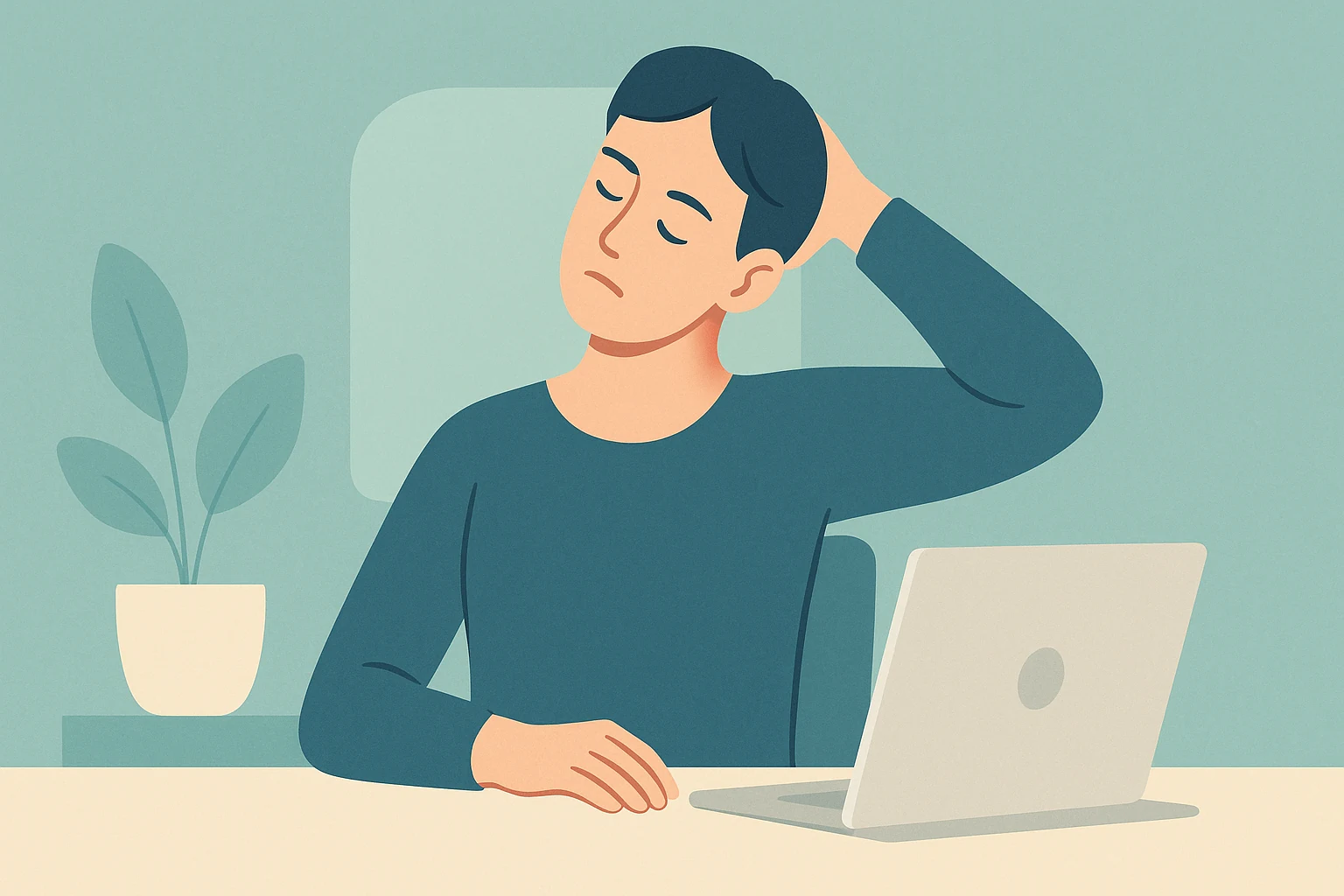
I'm Dr. Ivan Bracic, the chiropractor at Novaré Injury Care in Fort Myers, and this is one of the most common questions I hear on the way out the door. Feeling tired after a chiropractic adjustment is normal, and it is usually a good sign. When an adjustment takes pressure off your joints and nerves, your body tends to drop out of its tense, guarded state and into rest-and-recover mode, and that shift can leave you feeling mellow or worn out for a few hours.
It surprises people because they expected the opposite. You came in stiff and sore, you got some relief, and now you want a nap in your car in the parking lot. That is your nervous system doing exactly what it should. Below I break down the four main reasons it happens, and the simple things that help you bounce back faster.
1. Your nervous system shifts into rest-and-recover mode
Your body runs on two settings that trade off all day. One is the sympathetic system, the fight-or-flight side that keeps you alert, tense, and ready to react. The other is the parasympathetic system, the rest-and-digest side where your body repairs, recovers, and calms down. A lot of people live most of the day stuck on the alert setting without realizing it, shoulders up around their ears, jaw tight, running on stress.
An adjustment can help tip you toward the calmer side. When a restricted joint moves better and pressure comes off the surrounding nerves, the body often reads that as a signal that it is safe to relax. I regularly watch patients yawn on the table, feel their breathing slow down, and get that heavy, sleepy feeling before they even sit up. That is not weakness or something going wrong. It is your system finally letting its guard down, sometimes for the first time all day.
What helps: give yourself permission to ease off afterward. If you can, avoid booking a visit right before a big meeting or a long drive. Let the relaxed feeling run its course instead of fighting it with caffeine, and you will usually feel clear again within a few hours.
2. Muscles that were guarding finally let go
When a joint is stiff or irritated, the muscles around it tighten up to protect it. We call that guarding, and it is your body splinting the area so you do not move it in a way that hurts. The problem is that guarding is meant to be short-term. When it hangs on for weeks or months, those muscles are quietly working overtime the whole time, and you stop noticing the effort because it becomes your normal.
An adjustment helps that protected joint move more freely, and the muscles that were bracing around it can finally release. That release feels great, but it is also a real change for a body that had been holding a pattern for a long time. Letting go of tension you have carried for weeks takes something out of you, the same way your legs feel like jelly after you finally sit down from a long day on your feet. The tiredness is the tension leaving, not a new problem showing up.
What helps: keep moving gently rather than parking on the couch for the rest of the day. An easy walk, some light stretching, or a warm shower helps the muscles settle into their new, looser state instead of tightening right back up.
3. Your body ramps up circulation and repair
Improving how a joint moves also changes what happens in the tissues around it. Areas that were tight and restricted tend to get better blood flow afterward, which brings oxygen and nutrients in and helps carry waste products out. Your body treats that as a cue to start doing repair work on the muscles, ligaments, and joints that needed attention.
Repair costs energy. It is a smaller version of what happens after a good workout or a deep-tissue massage, when you feel pleasantly worn out because your body is busy behind the scenes. Some people also feel a little sore for a day, which is normal as everything recalibrates. That mild fatigue is a sign your body is putting resources toward getting better, not a sign it is breaking down.
What helps: treat the rest of that day like light recovery. Prioritize sleep that night, eat a real meal with some protein, and hold off on maxing out at the gym or taking on heavy yard work in the Southwest Florida heat. Give the repair process room to work.
4. Mild dehydration makes the tiredness worse
Here is the reason people overlook most, and it is the easiest one to fix. A lot of us walk around a little dehydrated without knowing it, and dehydration on its own causes fatigue, foggy thinking, and headaches. Living in Lee County, where the heat and humidity pull fluid out of you fast, only makes that more likely.
Adjustments and the manual therapy that often goes with them get your soft tissues moving and shift fluid around in the body. When you start out underhydrated, that can leave you feeling flat and tired, and it can nudge a mild post-adjustment ache into something more noticeable. Water will not magically erase every bit of tiredness, but being properly hydrated genuinely changes how you feel walking out of a visit.
What helps: drink water before your appointment, not just after. Come in hydrated, keep a bottle with you the rest of the day, and go easy on the coffee and alcohol, which both work against you here. This one small habit takes the edge off more often than people expect.
How long the tired feeling usually lasts, and when to check in
For most people this is a short, mild thing. It shows up for an hour or for the rest of the day, then fades with some water, gentle movement, and a solid night of sleep. New patients and people who were holding a lot of tension sometimes feel it more at the start, then less as their body adjusts to regular care. None of that is cause for worry.
That said, you know your body better than anyone. If the tiredness feels severe, keeps coming back visit after visit, lasts well beyond a day, or shows up alongside symptoms that concern you, tell me or your own provider. Care should be tailored to how you respond, and part of my job is adjusting the approach to fit you.
A note on scope: this article explains why fatigue after an adjustment happens and what tends to help. It is educational, not medical advice, and it does not diagnose or treat any condition. For your specific situation, rely on a conversation with a qualified provider.
The questions I hear most from patients wondering why they feel wiped out after a visit, answered in plain language.
Feeling tired is fine. Let's make sure your care fits you
A little tiredness after an adjustment is normal and usually a sign your body is relaxing and recovering. The real goal is care that is matched to how you respond and that moves your pain and movement in the right direction over time. If you are looking for gentle, personalized chiropractic care in Fort Myers, or you just have questions about what to expect from a visit, reach out through our contact page and we will help you figure out the right next step. We see patients from across Lee County and Southwest Florida, and there is no pressure to commit to anything.
This article was written and reviewed by Dr. Ivan Bracic, DC, the chiropractor and clinical director at Novaré Injury Care in Fort Myers, Florida. A licensed Doctor of Chiropractic, Dr. Bracic has spent more than 30 years caring for patients and helping them understand how their bodies respond to hands-on care over a career spanning Illinois and Florida.
Frequently Asked Questions
Is it normal to feel tired after a chiropractic adjustment?
Yes, feeling tired after an adjustment is common and usually harmless. When an adjustment takes tension off your joints and nerves, your body often shifts into rest-and-recover mode, and muscles that were guarding finally relax. That combination can leave you feeling mellow or sleepy for a few hours. Most people find it eases by the next day. If tiredness is severe, keeps returning, or comes with other symptoms that worry you, mention it to your provider.
How long does the tired feeling after an adjustment last?
For most people it is short, anywhere from an hour to the rest of the day, and it tends to fade with some water, light movement, and a good night of sleep. New patients and people who were carrying a lot of tension sometimes notice it a little more at first, then less as their body gets used to care. If the tiredness lingers well beyond a day or feels out of proportion, it is worth a conversation with your chiropractor.
What should I do after a chiropractic adjustment to feel better?
Drink water, move gently rather than sitting still for hours, and avoid scheduling something physically or mentally demanding right afterward if you can help it. A short walk, light stretching, and letting yourself rest all help your body settle. Going in hydrated in the first place makes a real difference too. There is nothing you have to do, but these small habits tend to smooth out the tired feeling.
Does feeling tired mean the adjustment worked?
Not exactly, and not feeling tired does not mean it failed. Fatigue after an adjustment is one common way a body responds when it relaxes, but plenty of people feel energized or feel nothing unusual at all, and their care is working fine. How you feel afterward varies from person to person and visit to visit. The better measure of progress is how your pain, movement, and daily function change over a series of visits.
This article is educational and is not medical advice. Everyone responds to care differently. If you feel unwell after an adjustment or have symptoms that concern you, talk with your chiropractor or another qualified provider about your specific situation.