
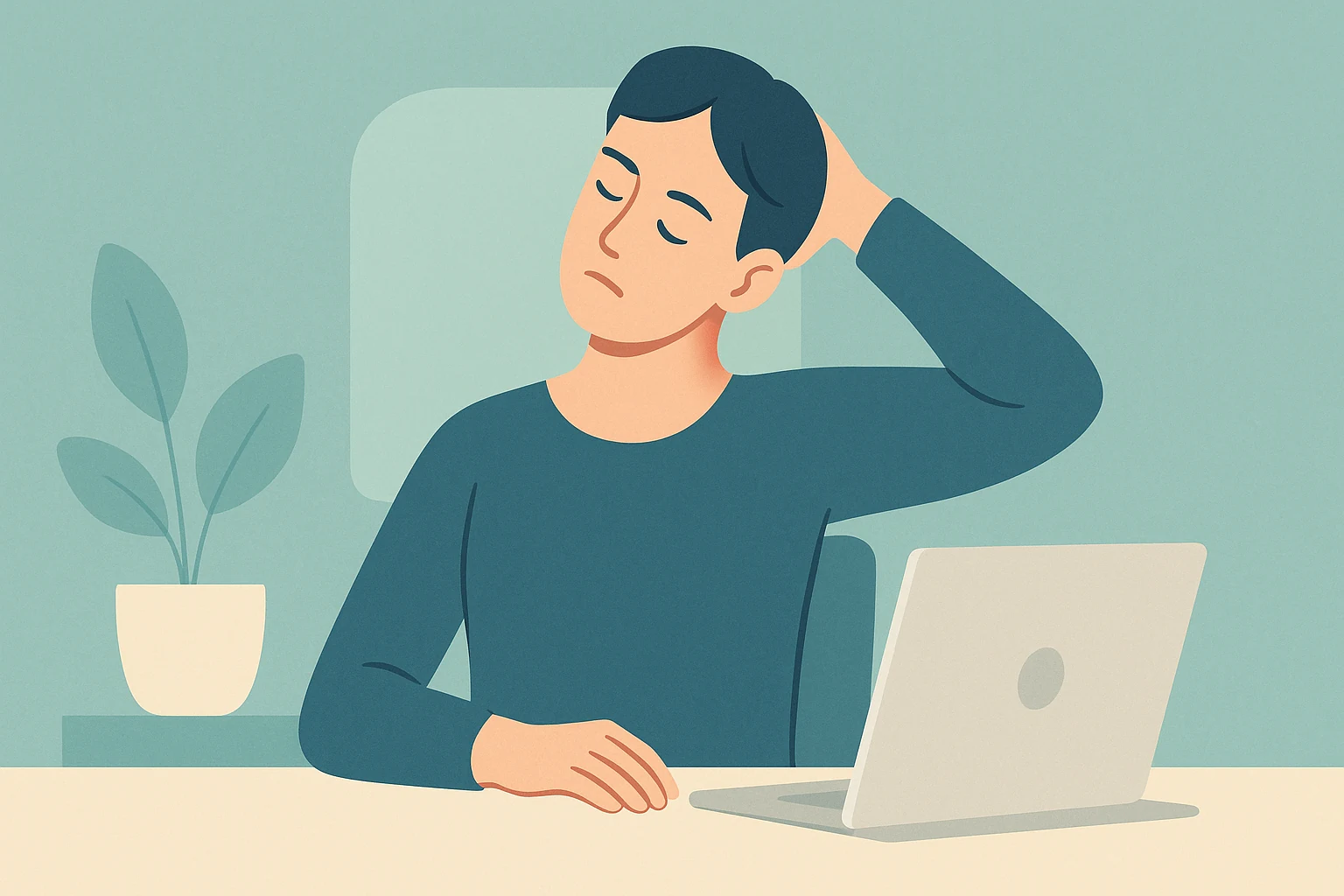
I'm Dr. Ivan Bracic, the chiropractor at Novaré Injury Care in Fort Myers, and this is one of the first things new patients ask me. So what are the side effects of a chiropractic adjustment? For most people they are mild and short-lived: some local soreness, a bit of tiredness, a mild headache, temporary stiffness, brief lightheadedness, or aching in nearby muscles. They usually settle within a day. Below I walk through all six, what each one means, and when a symptom is worth a call instead of a shrug.
I've spent more than 30 years adjusting spines for injury and everyday pain patients across Illinois and here in Southwest Florida, and I'd rather you know what is normal ahead of time than be caught off guard the evening after your first visit. Feeling something after an adjustment does not mean anything went wrong. In most cases it means your body is responding to a change in how a joint moves, and that response fades as you settle in.
The short answer: what an adjustment can feel like afterward
An adjustment is a controlled, targeted movement applied to a spinal or other joint to improve how it moves and to take pressure off the surrounding tissue. When you change how a stiff joint and its muscles behave, a short adjustment period is normal, the same way your body is a little sore after the first day back at the gym. The common side effects are local soreness, fatigue, a mild headache, temporary stiffness, brief lightheadedness, and aching that spreads to nearby muscles. Most are gone within 24 hours.
Not everyone gets any of these, and they tend to be strongest in the first visit or two, especially if you came in with a long-standing problem. Let's go through each one so you know what you're feeling and when it's time to check in.
1. Soreness in the area that was treated
This is the one I mention to almost every new patient, because it's the most common. It usually feels like a dull ache or tenderness right where the adjustment happened, whether that's the neck, mid-back, or low back. People often describe it as feeling like they worked out a muscle they hadn't used in a while.
Here's the mechanism. When a joint has been stiff or restricted, the muscles and ligaments around it have adapted to that limited motion. Restoring movement asks those tissues to work through a range they'd been avoiding, and they answer with mild soreness. It typically shows up within a few hours and eases over the next day. Gentle movement, water, and a warm compress usually do more for it than sitting still. If it's sharp, severe, or getting worse instead of better, that's not the ordinary pattern, and it's worth telling me.
2. Fatigue or feeling tired
A fair number of patients tell me they felt unusually tired, sometimes even ready for a nap, after their first adjustment. It can catch people off guard because they expected to feel energized, not sleepy. This is a normal response and not a reason for concern on its own.
When a joint that's been guarded finally moves more freely, your muscles get a chance to release tension they'd been holding, sometimes for months. That letting-go can leave you feeling drained for a few hours, a little like the tiredness after a massage. It's usually brief. I tell patients to not schedule anything demanding right after their first visit or two, drink water, and let their body rest if it asks for it. By later visits, most people stop noticing it at all.
3. A mild headache
A short-lived, mild headache can follow an adjustment, particularly when the work involved the neck. It's usually a dull, low-grade ache rather than anything sharp, and it tends to pass within a few hours. Patients who came in with neck tension in the first place are the ones most likely to notice it.
The neck and the head are closely wired together, so shifting how the upper joints of the neck move can briefly register as a headache while everything settles. Staying hydrated and letting your neck move gently rather than holding it stiff both help. What's different, and worth a prompt call, is a headache that comes on suddenly and severely, keeps intensifying, or arrives alongside things like vision changes or trouble speaking. That's not the ordinary adjustment response, and I'd want you seen right away rather than waiting it out at home.
4. Temporary stiffness or a brief flare before relief
Some people feel a little stiffer, or notice their original symptom tick up slightly, in the hours after an adjustment before it improves. I know that sounds backwards, so I always explain it up front. A short bump before things loosen is a pattern I see often, especially with chronic complaints that took a long time to build.
Think of it this way. Tissue that's been stuck in one pattern for a while doesn't reorganize instantly. As the joint starts moving better, the surrounding muscles can tighten protectively for a bit, which reads as stiffness or a brief flare. It typically settles within a day and is usually followed by better movement than you had before. Light activity beats total rest here. If the flare is strong, lingers past a couple of days, or keeps climbing, that tells me we should reassess how firm the adjustment was and how we're spacing your visits.
5. Dizziness or lightheadedness
Brief lightheadedness right after an adjustment, most often one involving the neck, happens to some patients. It usually passes within a minute or two once you're upright and moving normally, and it's more common if you sat or lay still for a while during the visit.
Part of this is simple. Changing position after being still can drop your blood pressure for a moment, the same head-rush you get standing up too fast. Part of it relates to how the neck's joints feed your brain information about head position. Sitting up slowly and taking a moment before you walk out usually handles it. I do want to flag the exception clearly: dizziness that is strong, doesn't pass, or comes with slurred speech, weakness, or vision changes is not the routine response, and it should be checked promptly rather than brushed off.
6. Aching that spreads to nearby muscles
The sixth one surprises people. Instead of feeling it only at the spot that was adjusted, they notice a dull ache in the muscles nearby, maybe across the shoulders after neck work, or into the hips and glutes after a low-back adjustment. This referred soreness is common and usually mild.
The reason is that your spine and its muscles work as a connected system, not as isolated parts. When one joint starts moving differently, the muscles that share the load adjust too, and they can ache a little while they recalibrate. It behaves like the local soreness in point one: it shows up within hours, responds to gentle movement and warmth, and fades within a day or so. What I don't want you to ignore is numbness, tingling, or weakness that travels down an arm or leg, because that points to a nerve rather than a tired muscle, and it deserves a proper look.
Putting the side effects in context
Almost all of these responses are mild, short, and part of your body adapting to better joint movement. The vast majority of the patients I care for in Fort Myers and across Lee County feel nothing more than a day of light soreness, if they feel anything at all. I can't promise how any one person will respond, because every body and every history is different, but knowing what's ordinary takes the worry out of that first evening after a visit.
The honest exceptions are the ones worth repeating: a sudden severe headache, dizziness that won't pass, or numbness or weakness that spreads into a limb. Those are uncommon, and they're the symptoms I'd rather you call about than sit on. Good chiropractic care in Southwest Florida is a conversation, so if a side effect feels off to you, tell me. We can often soften the adjustment, change your spacing, or take a closer look. If you're weighing whether chiropractic care is right for your situation and want to ask before you book, you can reach out through our contact page and we'll walk you through what to expect.
A note on scope: this article explains the common, short-lived responses to chiropractic adjustments and when a symptom is worth a prompt call. It is educational, not medical advice. For your specific situation, rely on a hands-on evaluation with a qualified provider.
The questions I hear most from patients about how they'll feel after an adjustment, answered in plain language.
Curious about chiropractic care in Fort Myers?
You don't have to guess whether that after-visit soreness is normal or wonder how your body will respond before you ever come in. If you're in Fort Myers or anywhere in Lee County and thinking about chiropractic care, I'm happy to answer your questions first. Reach out to our Fort Myers office and we'll talk through your situation, what an adjustment involves, and what you can reasonably expect afterward, no pressure.
This article was written and reviewed by Dr. Ivan Bracic, DC, the chiropractor and clinical director at Novaré Injury Care in Fort Myers, Florida. A licensed Doctor of Chiropractic, Dr. Bracic has spent more than 30 years caring for injury and pain patients across Illinois and Southwest Florida.
Frequently Asked Questions
Are side effects after a chiropractic adjustment normal?
Mild side effects are common and usually nothing to worry about. Local soreness, a little tiredness, or brief stiffness in the first day are the ones I see most, and they tend to fade on their own within about 24 hours. They are a sign your body is responding to the work, not a sign that something went wrong. What is not typical is a symptom that is severe, keeps getting worse, or comes with things like weakness, numbness that spreads, or a sudden intense headache. Those are worth a prompt call to your provider.
How long do side effects from a chiropractic adjustment last?
For most people, the common side effects last a few hours to about a day. Soreness after an adjustment behaves a lot like soreness after a good workout, easing as you move and rest normally. If you are new to chiropractic care or came in with a long-standing problem, the first couple of visits can feel more noticeable than later ones. If a side effect is still hanging around after two or three days, or it is getting stronger instead of settling, let your chiropractor know so we can adjust the plan.
How can I reduce soreness after a chiropractic adjustment?
Simple things help most. Drink water, keep moving gently rather than sitting stiff all day, and use a warm compress or short walk to loosen up if you feel tight. Avoid jumping straight into heavy lifting or an intense workout right after your visit. If soreness tends to hit you, tell your chiropractor, because we can often ease the intensity of the adjustment or space visits differently so your body has time to adapt.
When should I be concerned about symptoms after an adjustment?
Reach out promptly if you have a severe or sudden headache, weakness or numbness that spreads into an arm or leg, trouble speaking, seeing, or walking, or dizziness that does not pass. These are uncommon, but they are the kind of thing that should be checked rather than waited out. Mild soreness, brief tiredness, or short-lived stiffness are the ordinary responses and usually settle on their own within a day.
This article is educational and is not medical advice. Everyone responds to care differently. If you have a symptom that worries you after an adjustment, or a symptom that is severe or does not settle, talk with a qualified provider promptly.