
I'm Dr. Ivan Bracic, DC, founder and clinical director of Novaré Injury Care and Rehab in Fort Myers and Lehigh Acres. Can neuropathy be reversed? It depends on the cause, how long the nerves have been affected, and how much damage has happened.
Some types can improve when the cause is found and managed early. Others are about easing symptoms and protecting what still works. Below is how that plays out for the four causes people ask about most.
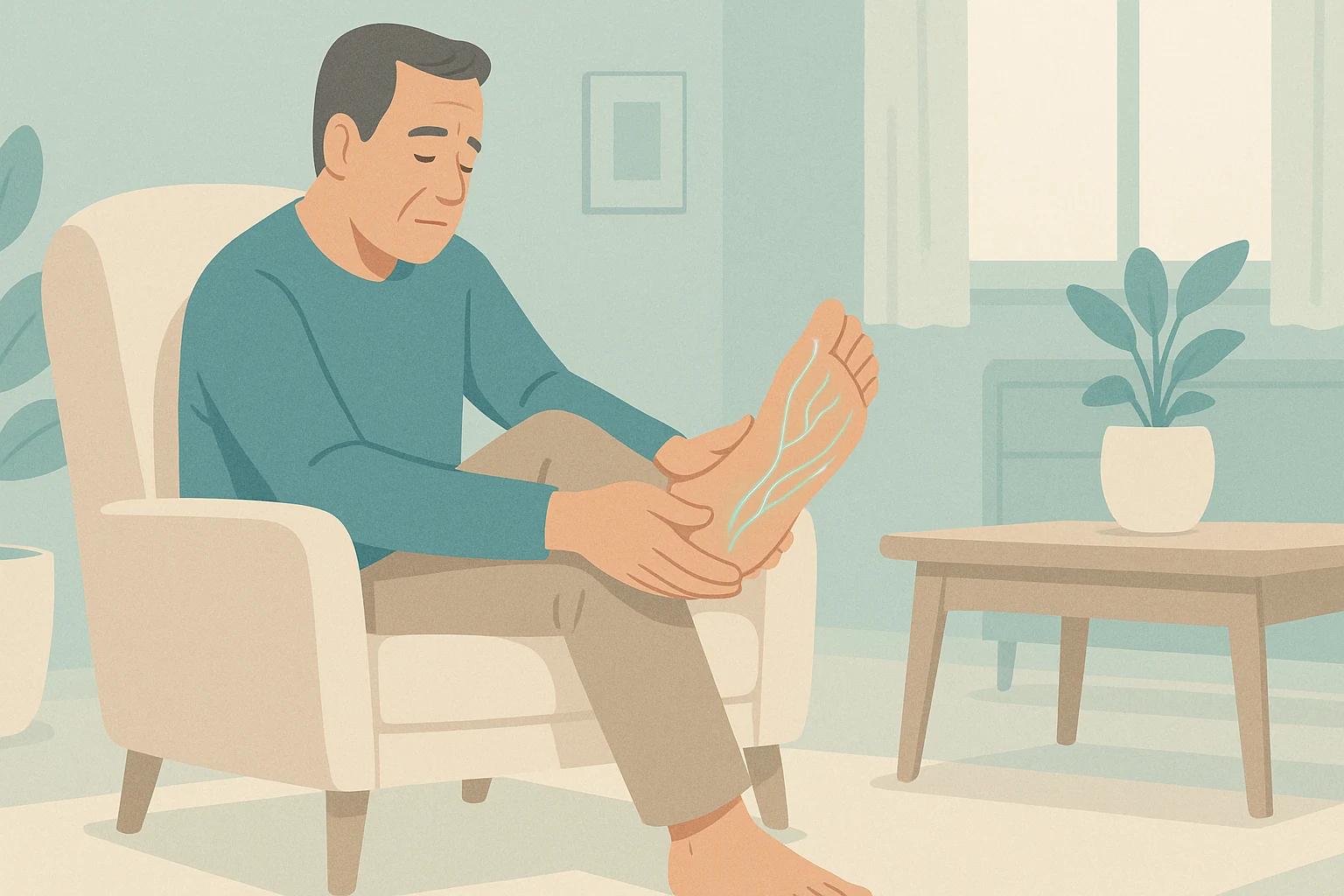
Peripheral neuropathy means damage to the nerves outside the brain and spinal cord. It shows up as numbness, tingling, burning, or weakness, often in the feet or hands. Because so many different things can damage a nerve, two people with the same burning feet can have very different outlooks.
If you're exploring neuropathy treatment, the cause is the first thing worth knowing.
Can neuropathy be reversed?
Some neuropathy can improve, and the cause decides how much. Cleveland Clinic notes it's possible to stop or reverse certain types of neuropathies with quick diagnosis and treatment. Severe, long-lasting damage is less likely to reverse, per the same source.
The National Institute of Neurological Disorders and Stroke (NINDS) says neuropathy can sometimes resolve as nerves regrow once the cause is corrected. The word that matters there is sometimes. Ask your physician to look for the cause before judging your own outlook.
Can diabetic neuropathy improve?
Diabetic neuropathy symptoms can ease for some people, and blood sugar management is the main lever. The NIDDK reports that about one-third to one-half of people with diabetes have peripheral neuropathy. Work with your physician on glucose control first, because no other care replaces it.
NINDS says managing diabetes and keeping blood glucose at safe levels may help reduce or eliminate symptoms of diabetic neuropathy. Blood sugar targets, medications, and foot checks belong with your physician and diabetes care team. Supportive care at a clinic like ours fits alongside that plan, never in place of it.
Does chemotherapy neuropathy go away?
Chemotherapy-induced neuropathy varies a lot from person to person. NINDS notes that not every chemotherapy drug causes neuropathy, and that it may continue long after chemotherapy stops. Report new numbness or tingling to your oncology team early, since they manage your cancer treatment.
Your oncologist may adjust medications or suggest specific supportive care. Clear any outside care with them first. That includes laser therapy, massage, or exercise programs, so everything fits your treatment schedule and your safety.
Radiation therapy can also damage nerves, and NINDS notes symptoms sometimes start months or years afterward. Mention any past cancer treatment at every new appointment, even if it ended long ago.
What if your neuropathy has no known cause?
When testing finds no cause, doctors call it idiopathic neuropathy. NINDS defines idiopathic as having no known cause, and blood tests and a neurological exam are part of the search. Keep up with the follow-up testing your doctor recommends.
With no single cause to correct, care usually focuses on managing symptoms, protecting the feet, and staying active. Your physician leads the medical side of that. Supportive care may help with comfort and function, but it's worth being realistic about what it can do. Age matters too, since Cleveland Clinic notes the risk of neuropathy rises as people get older.
Can nerve compression neuropathy get better?
Neuropathy from a squeezed or trapped nerve often has the clearest path, because the pressure itself can sometimes be reduced. NINDS notes that wrist splints can reduce pressure on a compressed nerve in carpal tunnel problems and let it heal. Ask whether compression could be part of your symptoms, especially if they sit on one side.
Compression can also start at the spine, where a disc or narrowed space presses on a nerve root. That's where diagnostic imaging matters. Novaré takes digital x-rays on the first visit and coordinates an MRI when nerve compression is suspected.
Some severe compression cases need a surgical opinion. NINDS notes that some people with severe weakness benefit from surgery to relieve pressure on a nerve. If your findings point that way, a referral is the right step.
Where does laser therapy fit for neuropathy?
Class IV laser therapy may help ease symptoms such as burning, tingling, and nerve pain for some people. Responses vary, and it doesn't replace finding and managing the cause with your physician. Treat it as one supportive option to discuss after an exam, not as a fix on its own.
Our laser treatment page explains how the technology works. The number of visits depends on your exam and how you respond, so it isn't something we can set in advance. If your exam suggests laser therapy is unlikely to help, we'll tell you that too.
Laser therapy has limits worth knowing. It doesn't replace glucose control, a medication change your physician recommends, or relief of a compressed nerve. Ask how progress will be tracked, such as sleep, walking comfort, or balance, so you can judge whether it's helping.
When should numbness or tingling be checked right away?
Most neuropathy builds slowly, but some changes need urgent care. Call 911 or go to the emergency room for sudden weakness, numbness that spreads quickly, trouble walking, or trouble breathing or swallowing. Sudden numbness or weakness on one side of the face or body can be a stroke, so call 911. Don't wait for a regular appointment if any of these appear.
A new wound on a numb foot also needs prompt attention from your physician, since you may not feel it getting worse. Check your feet daily if you have reduced feeling in them.
The questions people ask most about whether neuropathy can improve, answered in plain language.
Want to know what is behind your neuropathy?
You don't have to guess whether your symptoms can improve. A careful exam and imaging when it's warranted give a clearer picture of the cause. We coordinate with your physician on the options that fit it. Reach us through our contact page or call our Fort Myers office at (239) 893-2225.
This article was written and reviewed by Dr. Ivan Bracic, DC, founder and clinical director of Novaré Injury Care and Rehab in Fort Myers and Lehigh Acres, Florida. Trauma Team certified and a Certified Independent Chiropractic Examiner, Dr. Bracic brings more than 30 years of clinical experience across a career spanning Illinois and Florida. He has served Southwest Florida since founding Novaré in 2019.
Frequently Asked Questions
Can neuropathy be reversed?
Sometimes, and it depends on the cause. Cleveland Clinic notes that certain types can be stopped or reversed when they are diagnosed and treated quickly, and that longer-lasting, more severe damage is less likely to reverse. Nobody can promise a result before the cause is known, which is why the first step is a proper workup with your physician.
Can diabetic neuropathy get better?
For some people, symptoms can ease. The National Institute of Neurological Disorders and Stroke says managing diabetes and keeping blood glucose at safe levels may help reduce or eliminate symptoms of diabetic neuropathy. That management belongs with your physician. Supportive care such as laser therapy may help ease symptoms alongside it, not in place of it.
Does neuropathy from chemotherapy go away?
It varies. NINDS notes that not all chemotherapy drugs cause neuropathy and that chemotherapy-induced neuropathy may continue long after treatment stops. Report new numbness or tingling to your oncology team early, since they decide how your cancer treatment is managed. Any supportive care should be cleared with them first.
Is laser therapy a treatment that reverses neuropathy?
No one should present it that way. Class IV laser therapy may help ease symptoms such as burning and tingling for some people, and responses vary from person to person. It does not replace finding and managing the cause with your physician. An exam is the honest way to find out whether it fits your situation.
This article is educational and is not medical advice. It does not diagnose any condition or promise that nerve damage will improve. Blood sugar, medications, and cancer care belong with your physician and care team. If you have numbness, tingling, or weakness, get evaluated by a qualified provider who can look for the cause.