
Chiropractor vs Osteopath
in Fort Myers and Lehigh Acres
Chiropractors and osteopaths both use hands-on techniques to treat musculoskeletal problems. But their training, scope of practice, and treatment philosophy are different. If you're trying to decide between the two for back pain, neck pain, or joint issues, here's what you need to know.
How Does Their Training Differ?
Chiropractors (DC) earn a Doctor of Chiropractic degree, which takes 4 years of graduate-level education after a bachelor's degree. Training focuses heavily on the spine, nervous system, spinal adjustments, and diagnostic imaging. Chiropractors are licensed to diagnose and treat neuromusculoskeletal conditions but do not prescribe medication or perform surgery.
Osteopaths (DO) earn a Doctor of Osteopathic Medicine degree, which is a full medical degree. DOs complete medical school, residency, and can specialize in any medical field. They are licensed to prescribe medication, perform surgery, and practice the full scope of medicine. Their training includes osteopathic manipulative treatment (OMT), which is similar to chiropractic adjustment but is one tool among many in their practice.
How Does Each One Treat Pain?
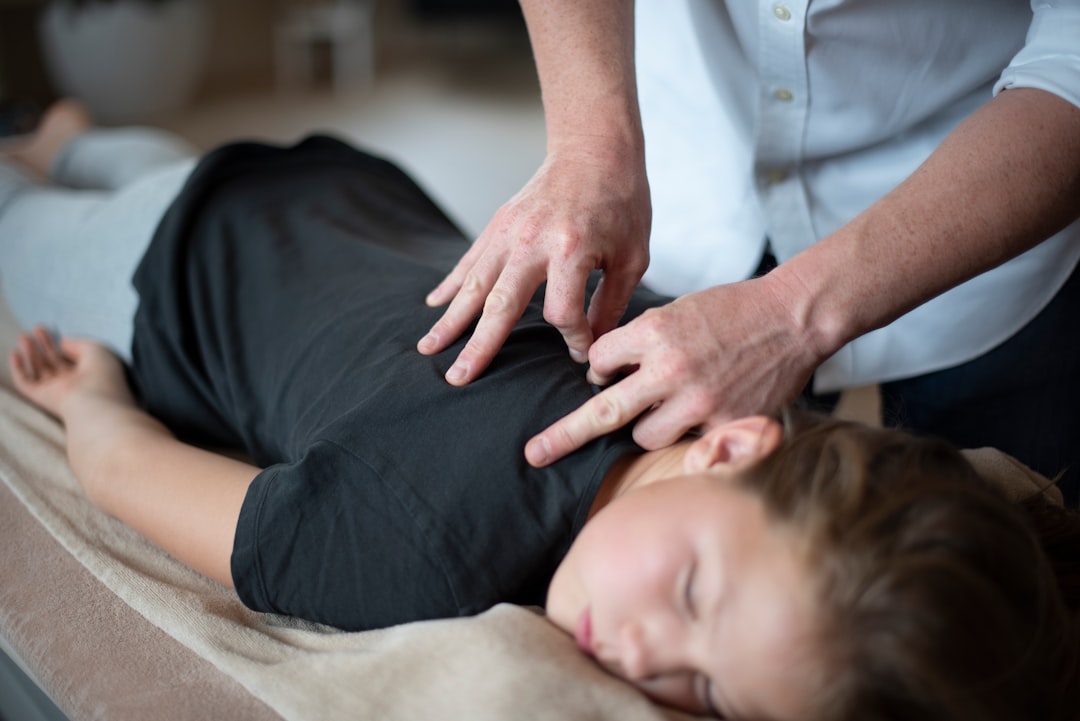
Chiropractors primarily use spinal adjustments and joint manipulation as their core treatment. At Novaré, Dr. Ivan Bracic also integrates digital x-ray imaging, spinal decompression, Class IV laser therapy, and manual therapy into treatment plans. The focus stays on the musculoskeletal system, but the toolbox is broader than adjustments alone.
Osteopaths take a whole-body medical approach. While they can perform OMT (similar to chiropractic manipulation), many practicing DOs focus on their medical specialty and rarely perform manual manipulation. An osteopath who does focus on OMT may see patients similarly to a chiropractor, but with the added ability to prescribe medication when needed.
Chiropractor (DC)
4-year doctoral degree focused on spine, nervous system, and joint biomechanics. Licensed to diagnose and treat neuromusculoskeletal conditions. Can't prescribe medication or perform surgery.
Osteopath (DO)
Full medical degree with residency. Can prescribe medication, perform surgery, and practice the full scope of medicine. OMT is one tool among many in their practice.
The Key Distinction
Chiropractic adjustment is the core of a DC's practice. OMT is one optional tool in a DO's medical practice. Many DOs rarely perform manual manipulation.
Novaré: Both Under One Roof
Dr. Ivan Bracic (DC, 30+ years) and Dr. Javier Sosa (MD, 38+ years) work together. Chiropractic care with medical oversight. No bouncing between offices.
Side-by-Side Comparison
How chiropractors and osteopaths compare on the factors that matter most.
| Factor | Chiropractor (DC) | Osteopath (DO) |
|---|---|---|
| Degree | Doctor of Chiropractic | Doctor of Osteopathic Medicine |
| Can prescribe medication | No | Yes |
| Can perform surgery | No | Yes |
| Primary focus | Spine, joints, nervous system | Whole-body medicine |
| Manual treatment | Core of practice | One tool among many |
| Imaging training | X-ray interpretation included in training | Varies by specialty |
| Visit frequency | Multiple visits common for musculoskeletal care | Fewer visits, may combine with medication |
When Should You See a Chiropractor?
A chiropractor is the right first step when your pain is musculoskeletal and you want drug-free, hands-on treatment.
- Back pain, neck pain, or joint stiffness from alignment issues
- Sciatica or radiating nerve pain
- Auto accident injuries including whiplash
- Headaches from cervical spine tension
- You prefer drug-free, non-surgical treatment
- You want ongoing maintenance care for spinal health
When Should You See an Osteopath?
An osteopath is the better choice when your condition requires medical management beyond hands-on treatment alone.
- You need both manual treatment AND prescription medication
- Your condition may require a medical workup beyond the musculoskeletal system
- You want a single provider who can handle multiple aspects of your health
- You need a referral for surgery or specialist care
Can You See Both?
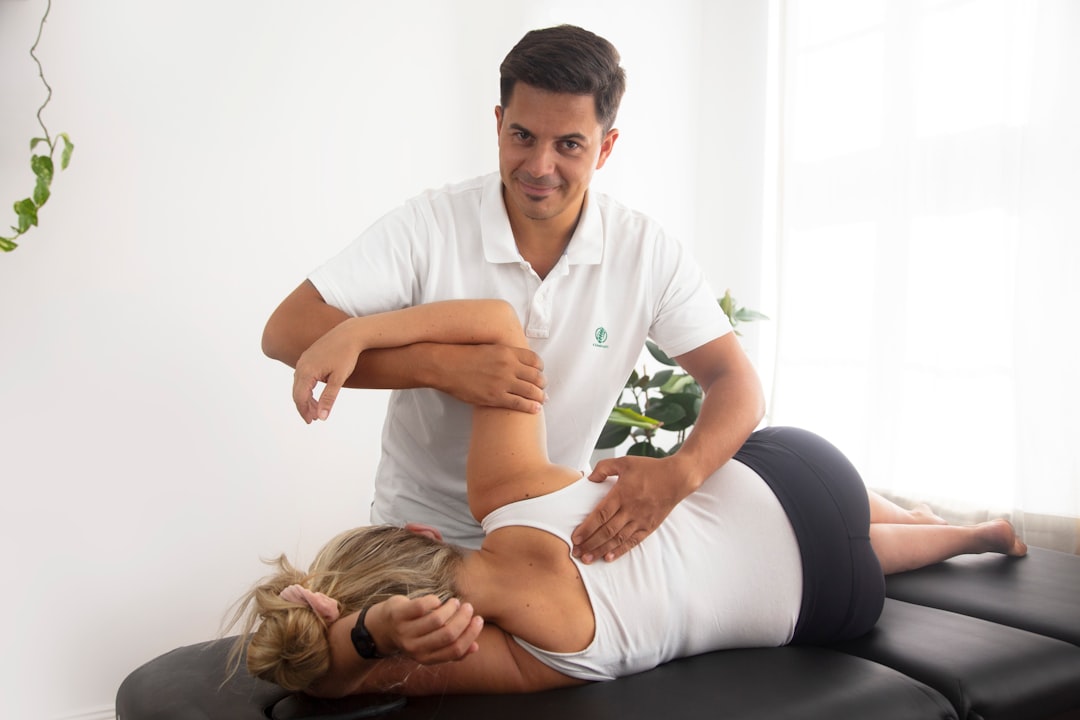
Yes. Some patients see a chiropractor for regular spinal maintenance and alignment, and an osteopath or MD for medical issues that require prescription management. At Novaré Injury Care and Rehab, our Medical Director (Dr. Javier Sosa, MD) provides physician oversight, which means patients get both chiropractic expertise and medical oversight under one roof.
Your Best Self Is Calling
Book a visit and Dr. Bracic will look for the cause with an exam and digital x-ray on your first appointment.
Chiropractor vs Osteopath Questions Answered
Get clear answers about choosing between chiropractic and osteopathic care.
Two Convenient Locations Serving Southwest Florida
Same-day or next-day appointments after an accident at both locations.
Fort Myers clinic, 15880 Summerlin Rd Suite 114 · Lehigh Acres clinic, 25 Homestead Rd N Suite 5 · All locations and hours
Lee County Service Area
Nuestro personal habla inglés y español.
Most Popular Treatments
Chiropractic Care
Spinal adjustments, Cox Flexion Distraction, Pro Adjuster SRT.
Spinal Decompression
Non-surgical disc treatment using the DRX9000 and AccuSpina. MRI required.
Accident Care
Auto accident and sports injury treatment.
Laser Therapy
AI-guided Class IV lasers for tissue repair.
Diagnostic Imaging
Digital x-rays with MRI coordination.
Manual Therapy
Myofascial release, joint mobilization.